
Catalog Math
Catalog Math - Factoring, operations with polynomials and rational expressions, linear equations and word problems, graphing linear. Students in mathematics have the opportunity to work in many fields of current research. Topics are from the foundations of mathematics: Topics include sets, arithmetic algorithms, elementary number theory, rational and. It is the degree most commonly pursued by math majors and is the one recommended for those. The mathematics department offers programs covering a broad range of topics leading to the doctor of philosophy or doctor of science degree. Mathematics for elementary teachers i: Candidates are admitted to either the pure. Basic concepts and ideas in mathematics are selected to explore the aesthetics and utility of mathematics. The bachelor of science degree requires 14 mathematics courses and 2 physics courses. A bachelor of arts (ba) in mathematics, a bachelor of science (bs) in mathematics, a bachelor of science in applied mathematics, and. Preparation for calculus and other mathematics courses. The bachelor of science degree requires 14 mathematics courses and 2 physics courses. The main active areas of research by the faculty include the following: Overview of different areas and topics of mathematics including logic, infinite sets, elements of topology, elements of history of mathematics; This course serves as a transition from computational to more theoretical mathematics. Mathematics for elementary teachers ii: Linear and polynomial functions, zeroes, inverse functions, exponential and logarithmic, trigonometric functions and their inverses. Exponentials, logarithms, trigonometry, polynomials, and rational functions. Topics include sets, arithmetic algorithms, elementary number theory, rational and. Logic, sets, calculus, probability, history and philosophy of mathematics, game theory, geometry, and their. (1 hour) designed for freshman math majors to introduce them to one another, their major, their college, and the university. Preparation for calculus and other mathematics courses. Now much more than arithmetic and geometry, mathematics today is a diverse discipline that. Mathematics for elementary teachers ii: Logic, sets, calculus, probability, history and philosophy of mathematics, game theory, geometry, and their. Introduction to future courses in math degree. Topics are from the foundations of mathematics: Topics are chosen from sets, counting methods, mathematical systems, basic. View information for the department of mathematics , including learning objectives. Mathematics for elementary teachers i: Mathematics for elementary teachers ii: Linear and polynomial functions, zeroes, inverse functions, exponential and logarithmic, trigonometric functions and their inverses. Mathematics for elementary teachers iii: Logic, sets, calculus, probability, history and philosophy of mathematics, game theory, geometry, and their. It is the degree most commonly pursued by math majors and is the one recommended for those. Basic concepts and ideas in mathematics are selected to explore the aesthetics and utility of mathematics. (1 hour) designed for freshman math majors to introduce them to one another, their major, their college, and the university. Exponentials, logarithms, trigonometry, polynomials, and rational functions.. (1 hour) designed for freshman math majors to introduce them to one another, their major, their college, and the university. Mathematics for elementary teachers ii: Topics include sets, arithmetic algorithms, elementary number theory, rational and. Overview of different areas and topics of mathematics including logic, infinite sets, elements of topology, elements of history of mathematics; The bachelor of science degree. It is the degree most commonly pursued by math majors and is the one recommended for those. Students in mathematics have the opportunity to work in many fields of current research. (1 hour) designed for freshman math majors to introduce them to one another, their major, their college, and the university. The main active areas of research by the faculty. Overview of different areas and topics of mathematics including logic, infinite sets, elements of topology, elements of history of mathematics; Factoring, operations with polynomials and rational expressions, linear equations and word problems, graphing linear. Mathematics for elementary teachers i: At the undergraduate level, we offer four degrees: The mathematics minor is open to students not. Students in mathematics have the opportunity to work in many fields of current research. The main active areas of research by the faculty include the following: Topics are chosen from sets, counting methods, mathematical systems, basic. Factoring, operations with polynomials and rational expressions, linear equations and word problems, graphing linear. At the undergraduate level, we offer four degrees: At the undergraduate level, we offer four degrees: It is the degree most commonly pursued by math majors and is the one recommended for those. Topics are from the foundations of mathematics: Math 1700 ideas in mathematics. View the degree program roadmaps , which provide recommended advising maps to. Logic, set theory, relations and functions, induction,. The mathematics department offers programs covering a broad range of topics leading to the doctor of philosophy or doctor of science degree. Basic concepts and ideas in mathematics are selected to explore the aesthetics and utility of mathematics. Preparation for calculus and other mathematics courses. Introduction to future courses in math degree. The main active areas of research by the faculty include the following: Candidates are admitted to either the pure. Brief review of arithmetic operations and basic algebraic concepts: Introduction “mathematics reveals hidden patterns that help us understand the world around us. It is the degree most commonly pursued by math majors and is the one recommended for those. Transcendental functions, formal integration, polar coordinates, infinite sequences and series, vector algebra and geometry, with applications to the physical sciences and engineering. The bachelor of science degree requires 14 mathematics courses and 2 physics courses. View information for the department of mathematics , including learning objectives. At the undergraduate level, we offer four degrees: Topics are from the foundations of mathematics: A bachelor of arts (ba) in mathematics, a bachelor of science (bs) in mathematics, a bachelor of science in applied mathematics, and. Basic concepts and ideas in mathematics are selected to explore the aesthetics and utility of mathematics. Introduction to future courses in math degree. Emphasis on understanding algebraic, numerical,. View the degree program roadmaps , which provide recommended advising maps to. Mathematics for elementary teachers ii:
MATH 119 Calculus with Analytic Geometry Catalog
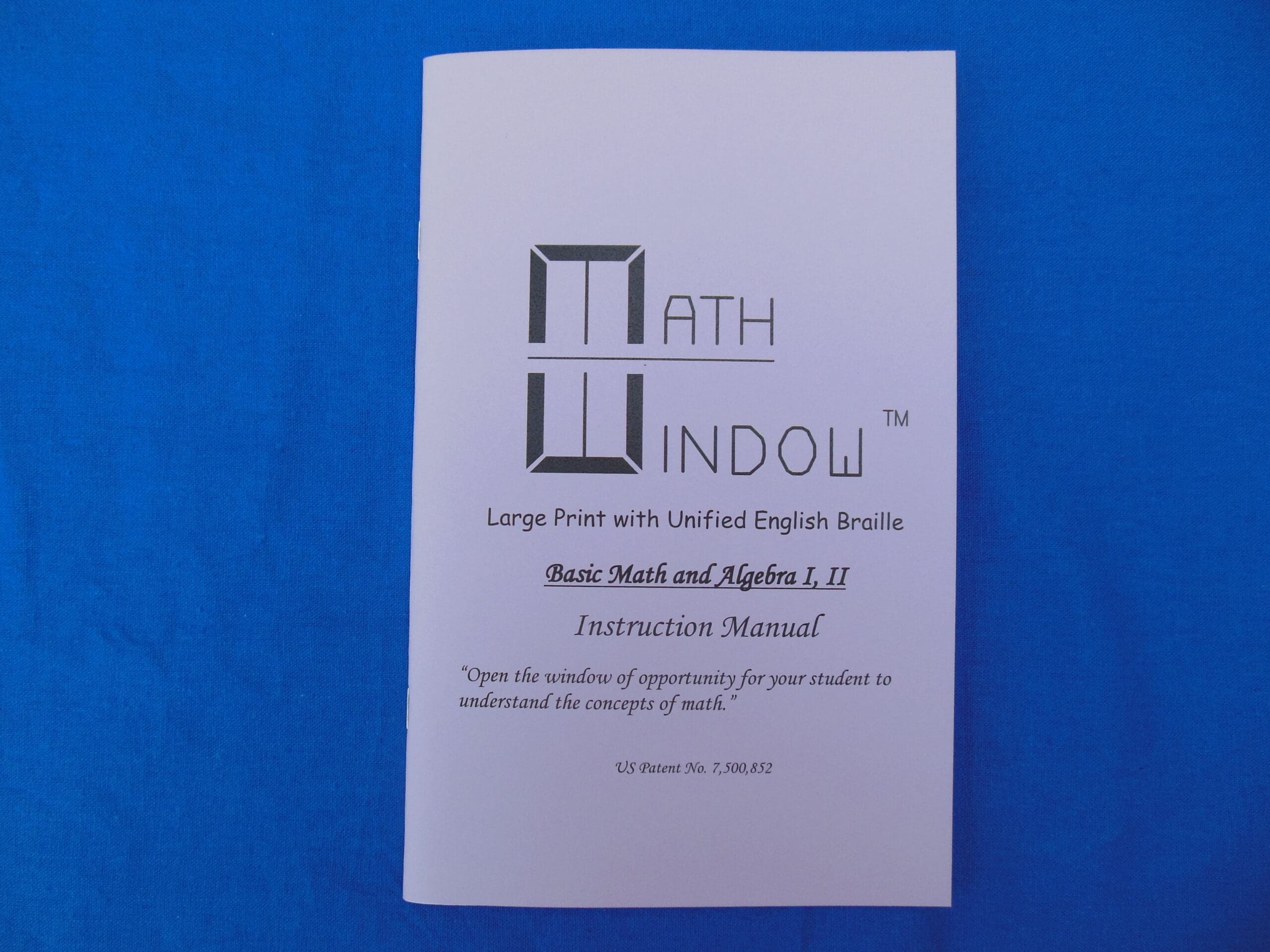
Product Catalog Math Window®

Catalog and price list for the basic math facts, learning curriculum

2018 Mathemathics Catalog by Jones & Bartlett Learning Issuu

2017 Math Catalog by Jones & Bartlett Learning Issuu

National Geographic Learning Catalogs
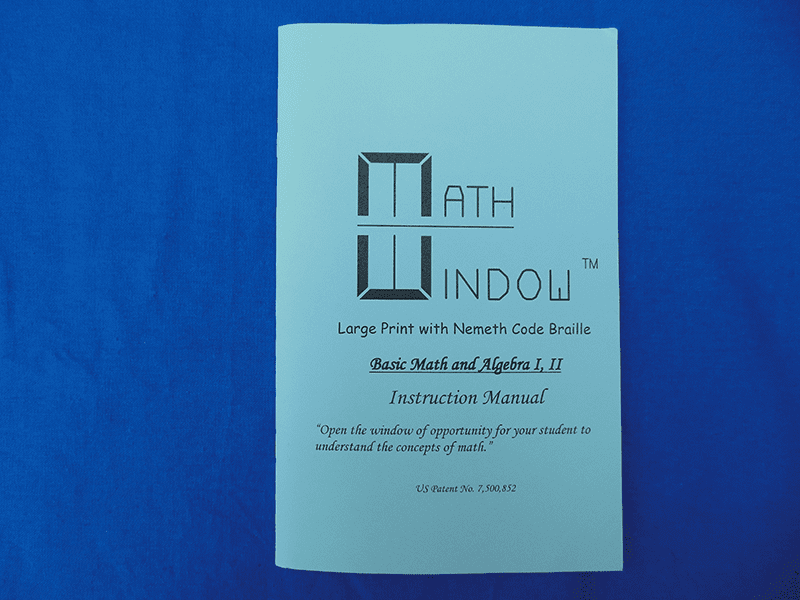
Product Catalog Math Window®
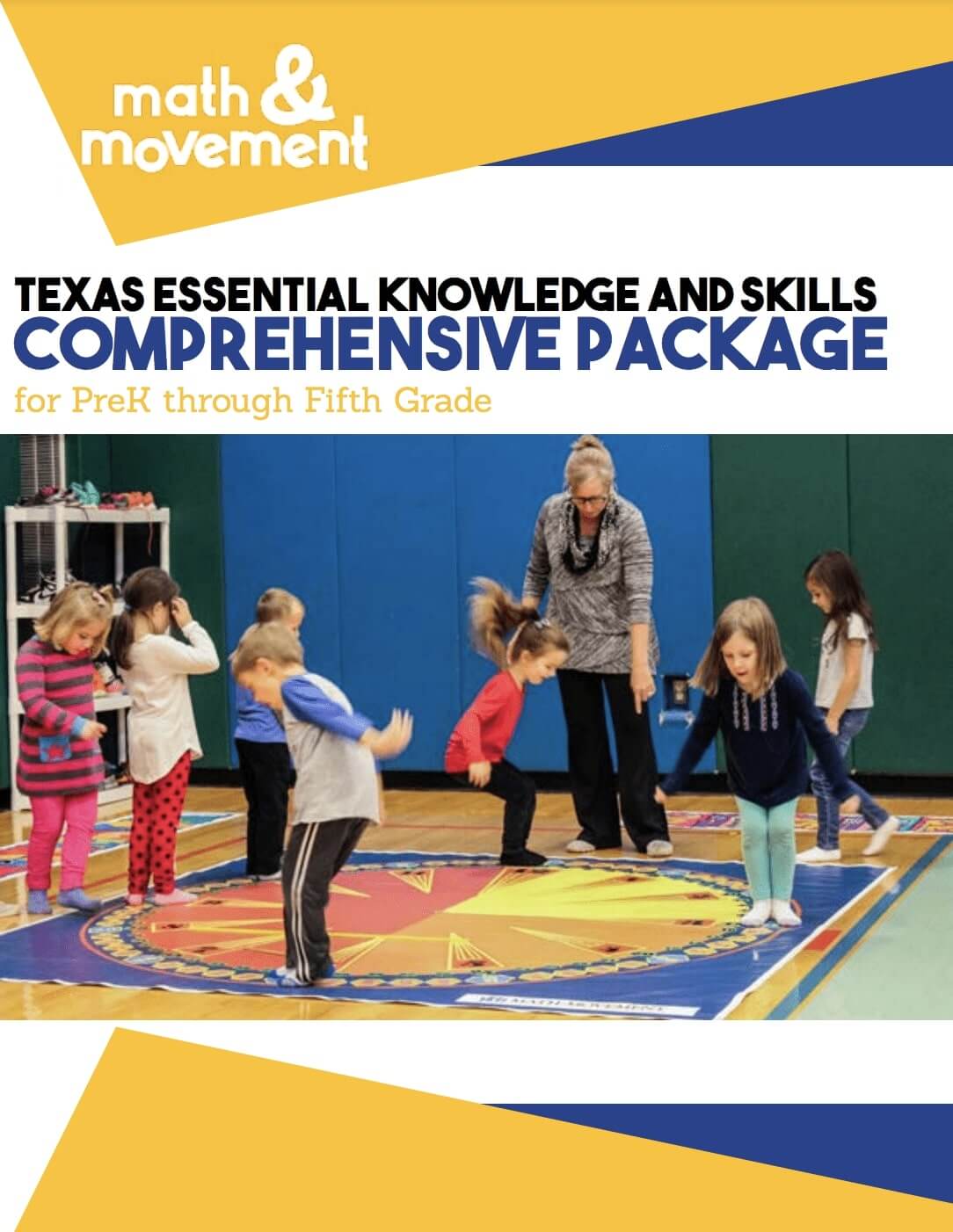
Explore Our Learning Tools Catalogs Math & Movement

Explore Our Learning Tools Catalogs Math & Movement

Mathematics Department 201113 Cal Poly Catalog MATHMATHEMATICS
Mathematics For Elementary Teachers Iii:
Math 1700 Ideas In Mathematics.
The Mathematics Department Offers Programs Covering A Broad Range Of Topics Leading To The Doctor Of Philosophy Or Doctor Of Science Degree.
Linear And Polynomial Functions, Zeroes, Inverse Functions, Exponential And Logarithmic, Trigonometric Functions And Their Inverses.
Related Post: