
Card Catalog
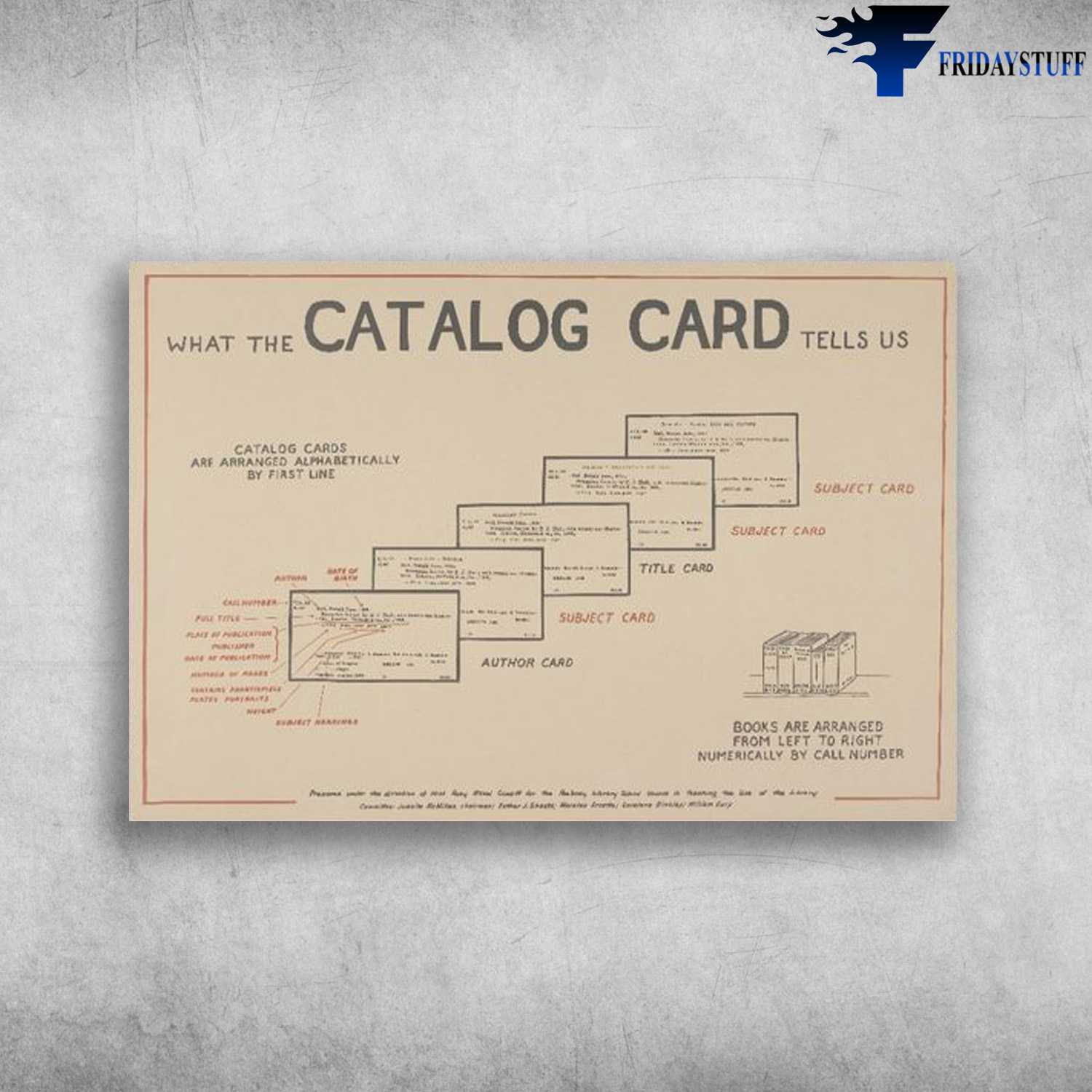
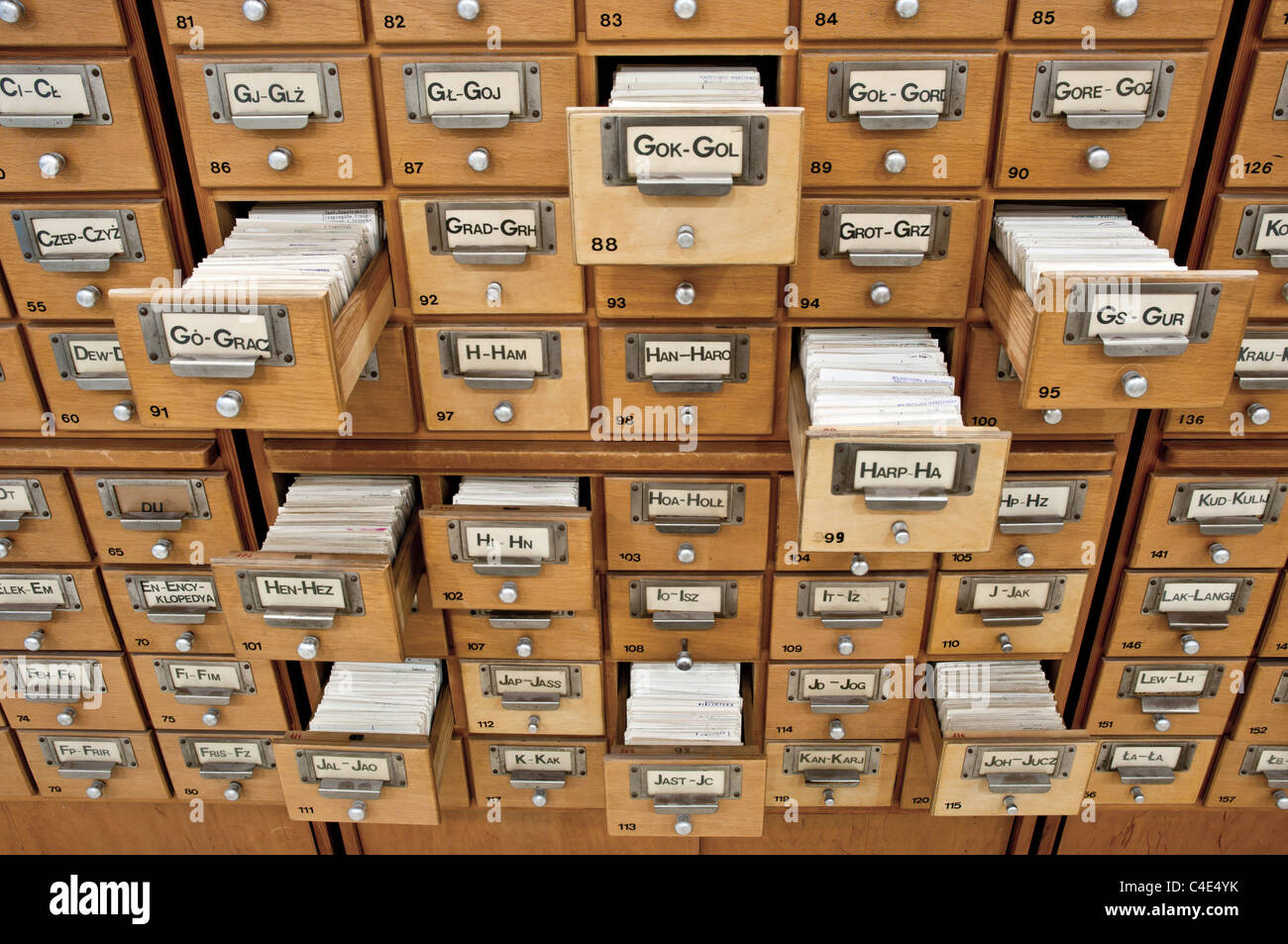
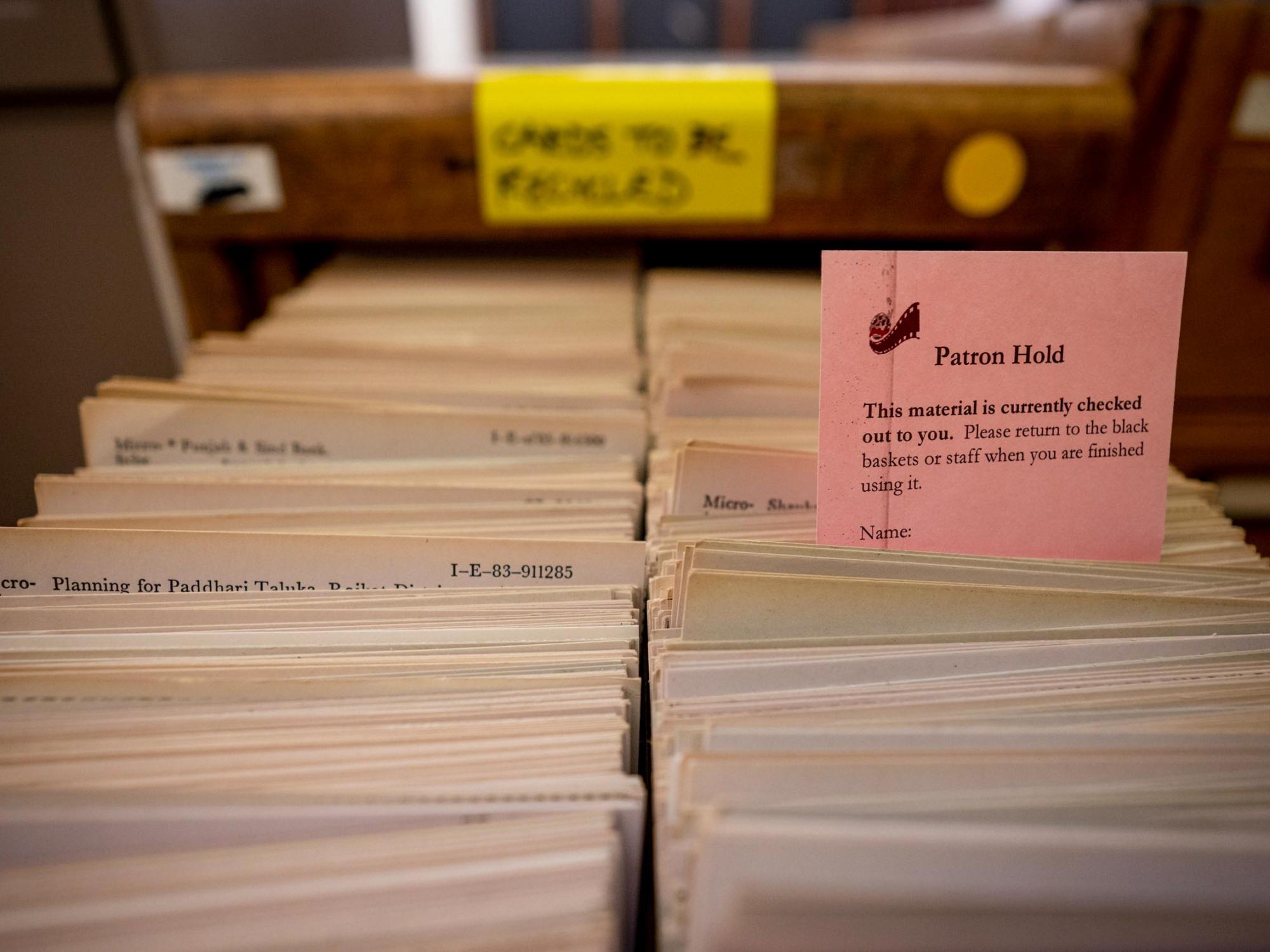
Card Catalog - It was invented by melvil dewey, who also invented the dewey decimal system. Featuring more than 200 images of original catalog cards and rare edition book covers, while also charting the history of the catalog—from its origins 5,000 years ago to the present—this visual tour of rarely seen gems highlights the brilliant catalog system that has kept the world’s largest library organized for hundreds of years. A library card catalogue is a traditional system used by libraries to organize and locate books and other materials in their collections. Catalog cards haven’t always been printed: A card catalog is a system that helps to organize library materials. To execute the filters, click on save and filter. The card catalog was invented before the. It consists of a series of index cards, with each card containing bibliographic information about a specific item in the library. A catalog card is an individual entry in a library catalog containing bibliographic information, including the author's name, title, and location. But when the company that made the cards stopped printing them. The card catalog was invented before the. It was a familiar navigational hazard and blessing in all libraries well through the late 20th century, when physical catalogs began to be displaced by computerized versions. The card catalog is made up of index cards with information about the books and other library materials. By 1925 the american library card catalog had substantially evolved and standardized catalog cards (7.5 x 12.5 cm) in standardized card catalog cabinets were in widespread use. A card catalog is a physical listing of all of the contents of a library, organized with a single card for each item in the library. This is how you would use a card catalog in a library. It was invented by melvil dewey, who also invented the dewey decimal system. A card catalog is a system that helps to organize library materials. Orderly boxes of cards once filled libraries large and small, and even the most humble of books boasted a catalog card of its own. Catalog cards haven’t always been printed: Eventually the mechanization of the modern era brought the efficiencies of card catalogs. To execute the filters, click on save and filter. Catalog cards haven’t always been printed: It was invented by melvil dewey, who also invented the dewey decimal system. The card catalog was invented before the. This is how you would use a card catalog in a library. A card catalog is a physical listing of all of the contents of a library, organized with a single card for each item in the library. But when the company that made the cards stopped printing them. A card catalog is a system that helps to organize library. Eventually the mechanization of the modern era brought the efficiencies of card catalogs. A card catalog is a physical listing of all of the contents of a library, organized with a single card for each item in the library. A library card catalogue is a traditional system used by libraries to organize and locate books and other materials in their. Eventually the mechanization of the modern era brought the efficiencies of card catalogs. A card catalog is a physical listing of all of the contents of a library, organized with a single card for each item in the library. By default, the complete collection is available for browsing. A catalog card is an individual entry in a library catalog containing. It was invented by melvil dewey, who also invented the dewey decimal system. The card catalog cabinet illustrated below is from a 1925 library bureau supply catalog. By default, the complete collection is available for browsing. This guide discusses the origins, history, and continuing research value of the library of congress card catalog, the predecessor to the library's current online. This is how you would use a card catalog in a library. It consists of a series of index cards, with each card containing bibliographic information about a specific item in the library. It was a familiar navigational hazard and blessing in all libraries well through the late 20th century, when physical catalogs began to be displaced by computerized versions.. A card catalog is a physical listing of all of the contents of a library, organized with a single card for each item in the library. Catalog cards haven’t always been printed: It was a familiar navigational hazard and blessing in all libraries well through the late 20th century, when physical catalogs began to be displaced by computerized versions. By. Eventually the mechanization of the modern era brought the efficiencies of card catalogs. To execute the filters, click on save and filter. Orderly boxes of cards once filled libraries large and small, and even the most humble of books boasted a catalog card of its own. A card catalog is a system that helps to organize library materials. The card. By default, the complete collection is available for browsing. It was invented by melvil dewey, who also invented the dewey decimal system. This is how you would use a card catalog in a library. Eventually the mechanization of the modern era brought the efficiencies of card catalogs. A card catalog is a system that helps to organize library materials. But when the company that made the cards stopped printing them. Catalog cards haven’t always been printed: Eventually the mechanization of the modern era brought the efficiencies of card catalogs. A card catalog is a physical listing of all of the contents of a library, organized with a single card for each item in the library. Featuring more than 200. Featuring more than 200 images of original catalog cards and rare edition book covers, while also charting the history of the catalog—from its origins 5,000 years ago to the present—this visual tour of rarely seen gems highlights the brilliant catalog system that has kept the world’s largest library organized for hundreds of years. The card catalog is made up of index cards with information about the books and other library materials. This guide discusses the origins, history, and continuing research value of the library of congress card catalog, the predecessor to the library's current online catalog. A card catalog is a physical listing of all of the contents of a library, organized with a single card for each item in the library. The card catalog cabinet illustrated below is from a 1925 library bureau supply catalog. The card catalog was invented before the. It consists of a series of index cards, with each card containing bibliographic information about a specific item in the library. A catalog card is an individual entry in a library catalog containing bibliographic information, including the author's name, title, and location. By 1925 the american library card catalog had substantially evolved and standardized catalog cards (7.5 x 12.5 cm) in standardized card catalog cabinets were in widespread use. By default, the complete collection is available for browsing. It was invented by melvil dewey, who also invented the dewey decimal system. Orderly boxes of cards once filled libraries large and small, and even the most humble of books boasted a catalog card of its own. A card catalog is a system that helps to organize library materials. Eventually the mechanization of the modern era brought the efficiencies of card catalogs. To execute the filters, click on save and filter. It was a familiar navigational hazard and blessing in all libraries well through the late 20th century, when physical catalogs began to be displaced by computerized versions.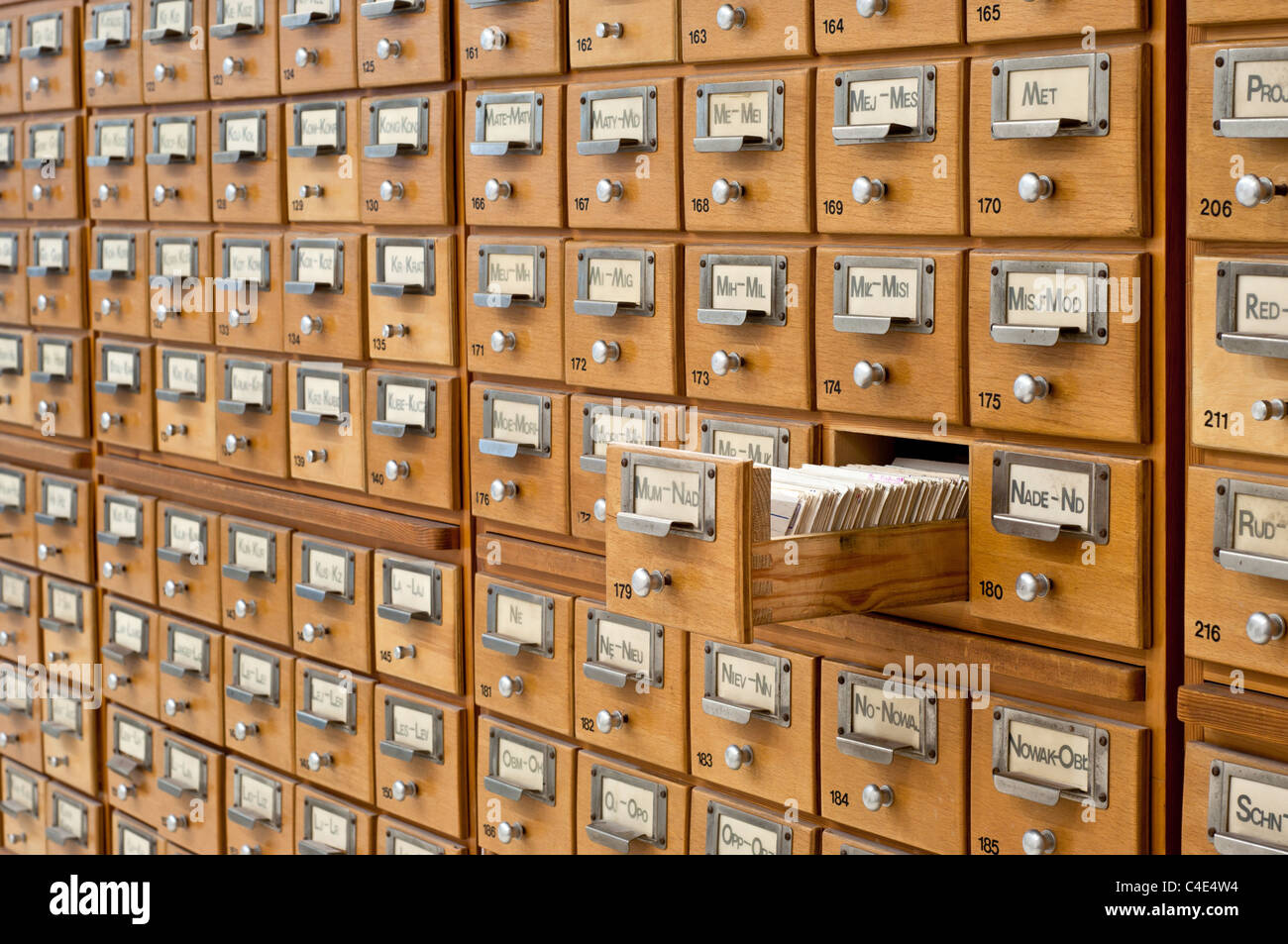
Card Catalog Drawer
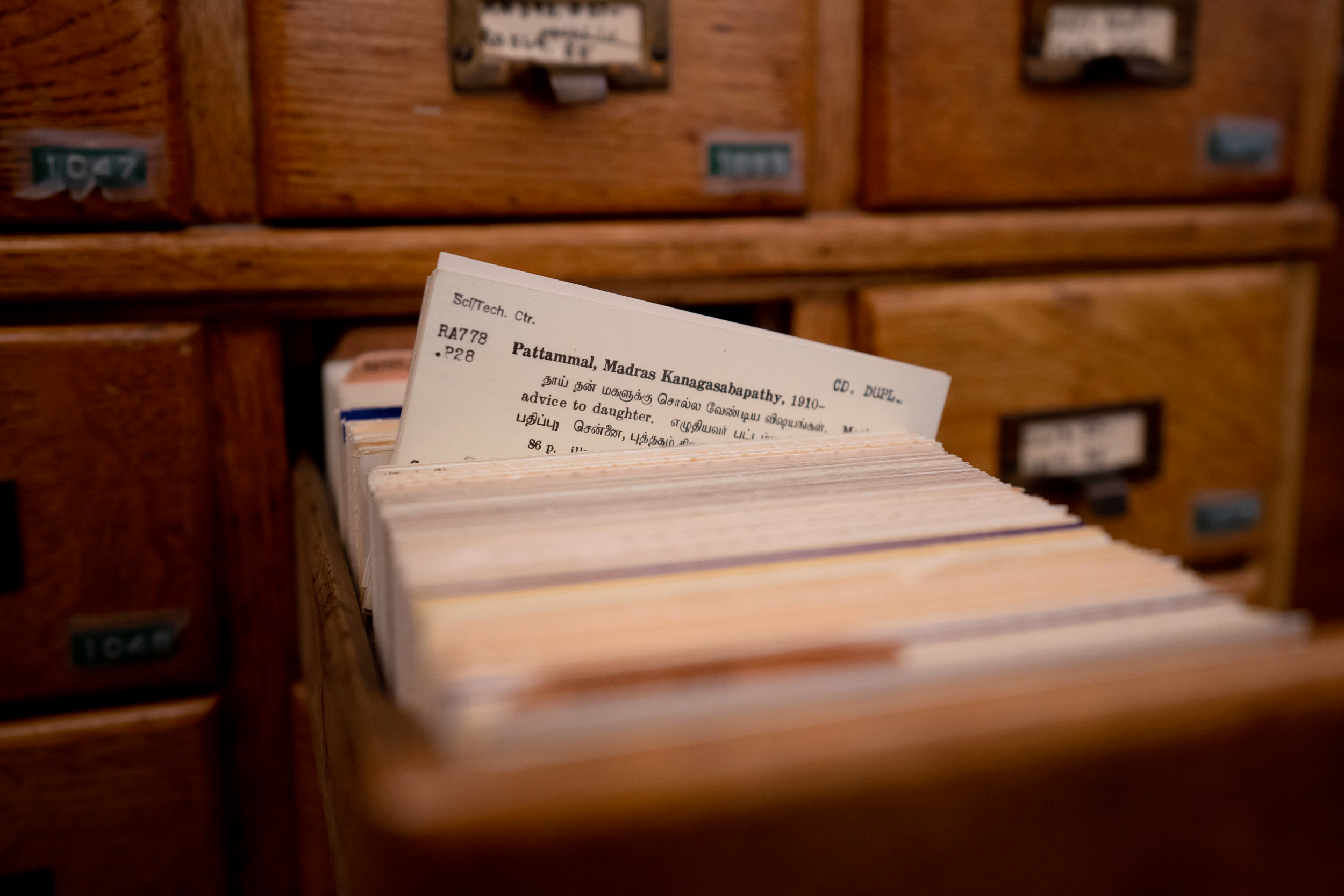
Old Library Card Catalog
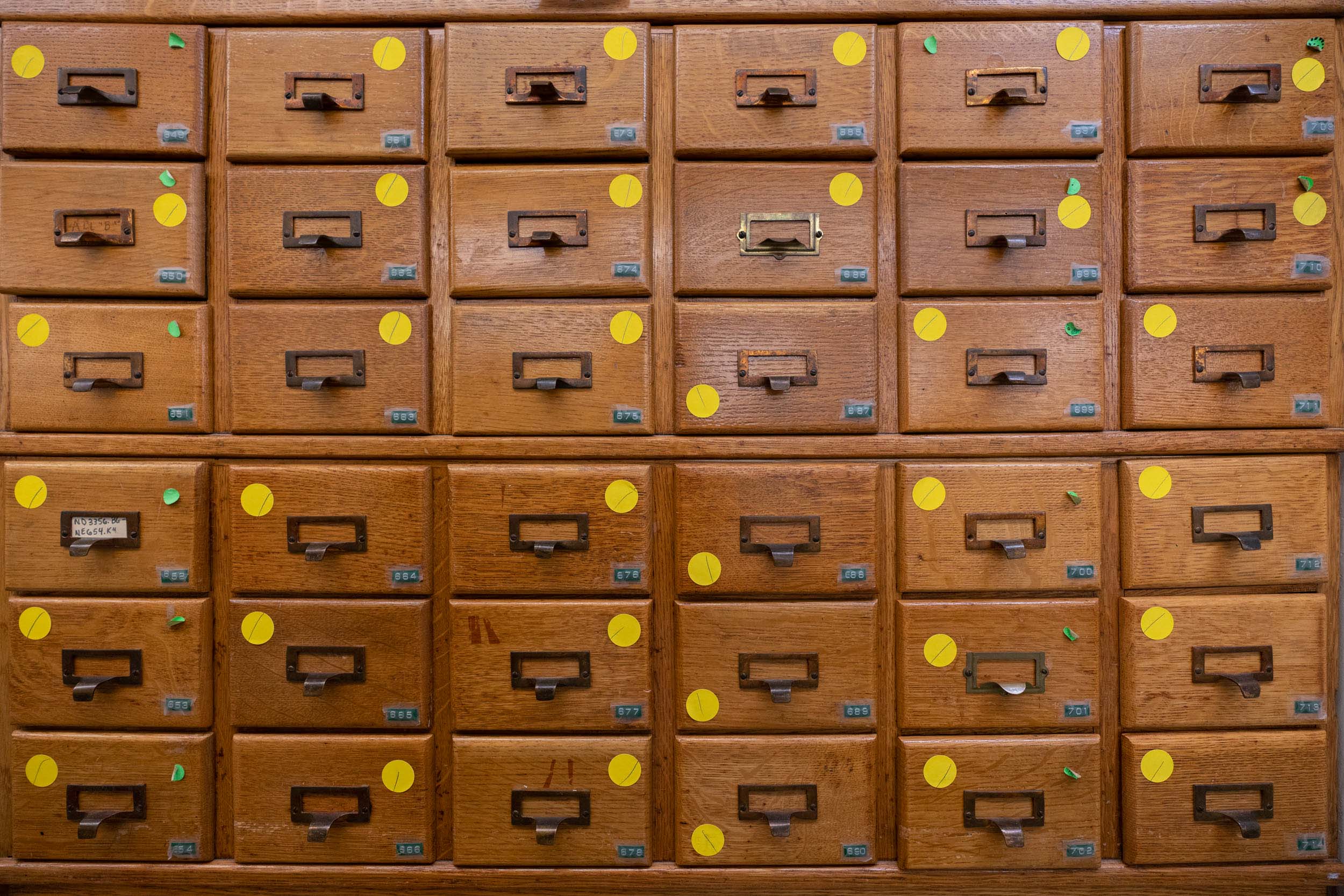
Old Library Card Catalog LOT 200 Vintage Library Card Catalog Dewey

Vintage card catalogs at the library and how we used them Click
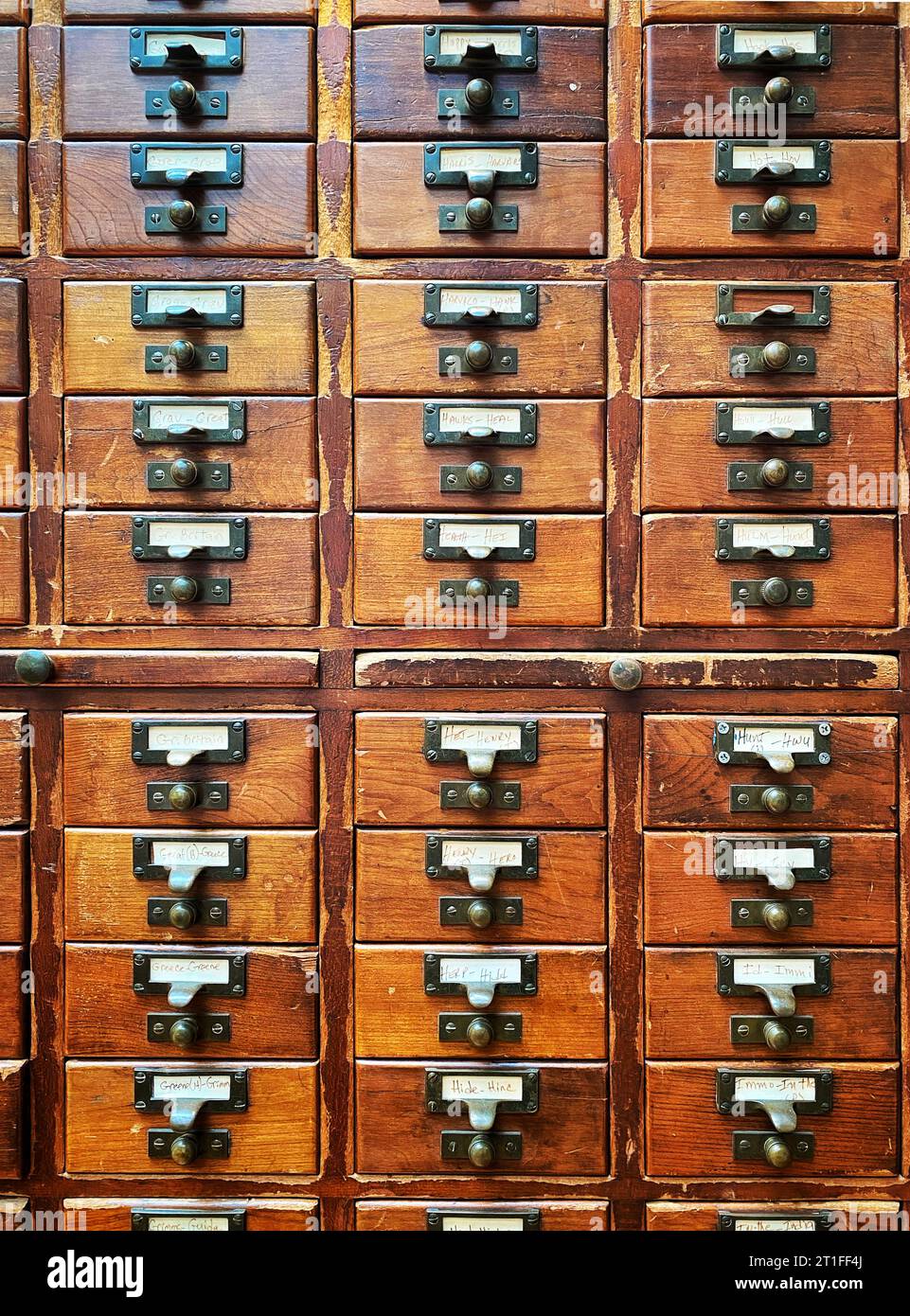
Card catalog at a library Stock Photo Alamy
What Is A Card Catalog Examples at Marjorie Hiller blog

Vintage card catalogs at the library and how we used them Click

Vintage card catalogs at the library and how we used them Click
Card Catalog Drawer
Y Catalog
Catalog Cards Haven’t Always Been Printed:
A Library Card Catalogue Is A Traditional System Used By Libraries To Organize And Locate Books And Other Materials In Their Collections.
But When The Company That Made The Cards Stopped Printing Them.
This Is How You Would Use A Card Catalog In A Library.
Related Post: